 Assisted Reproduction Center
IVF In Vitro Fertilization with PGT
 Assisted Reproduction Center
Preimplantation Genetic Testing (PGT) has represented a significant advance in understanding the causes of infertility - and of course in implementing some of its solutions. These tests can be of different types, depending on what we are looking for, with the most common being PGT-A (or PGS), PGT-M, or PGT-SR. Pre-implantation Genetic Testing, commonly known as PGT, is carried out within the framework of In Vitro Fertilization, and consists of performing a minimally invasive analysis of each embryo before its implantation in the uterus. The objective of these tests is to identify possible genetic disorders that currently prevent or make pregnancy difficult, or that could cause the baby to develop a serious illness.
The objective of these tests is to identify possible genetic disorders that may currently prevent or impede pregnancy, or that may cause the baby to develop a serious illness.
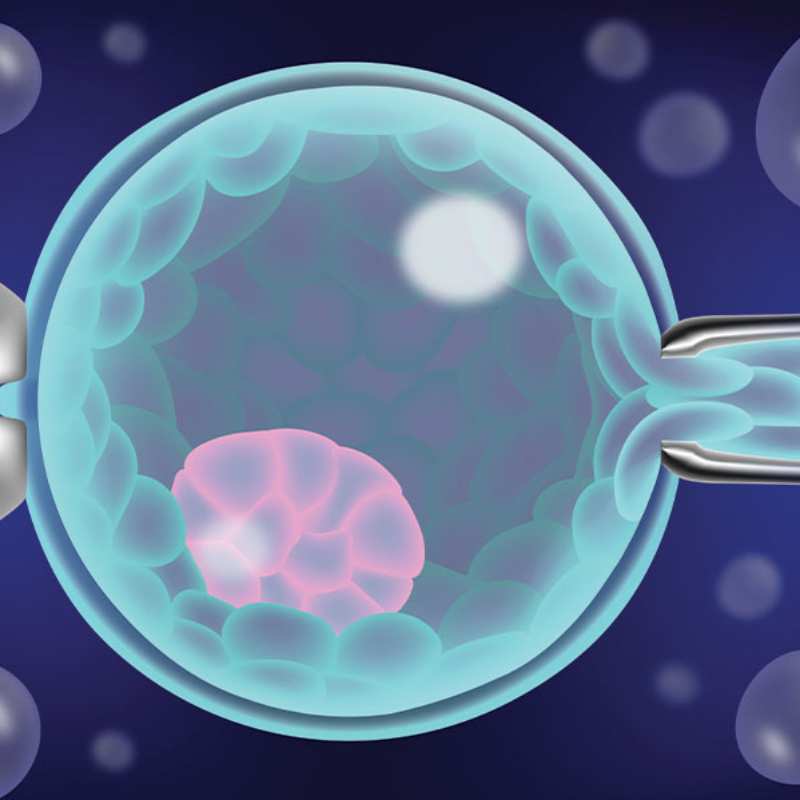
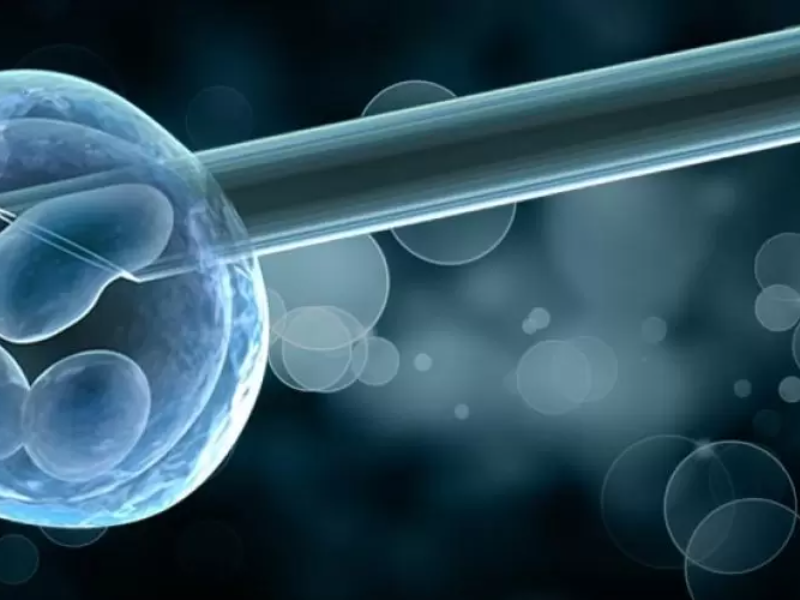
With PGS or PGTA, we seek to know which embryos have a higher chance of becoming a healthy baby. During the course of In Vitro Fertilization, once an egg is fertilized and has become a blastocyst, our biologists obtain a small sample of the trophoblast, which is the group of outer cells that do not form part of the actual embryo, as they are destined to become the future placenta. While the embryo remains in the safe environment of the incubator, a specialized laboratory analyzes the 23 pairs of chromosomes using massive sequencing. We are checking for the presence of aneuploidies, which means additional chromosomes (trisomy) or missing chromosomes (monosomy). PGS or PGT-A is indicated in cases of advanced age, repeated miscarriages, implantation failures, or in cases of male factor with a possible genetic cause.
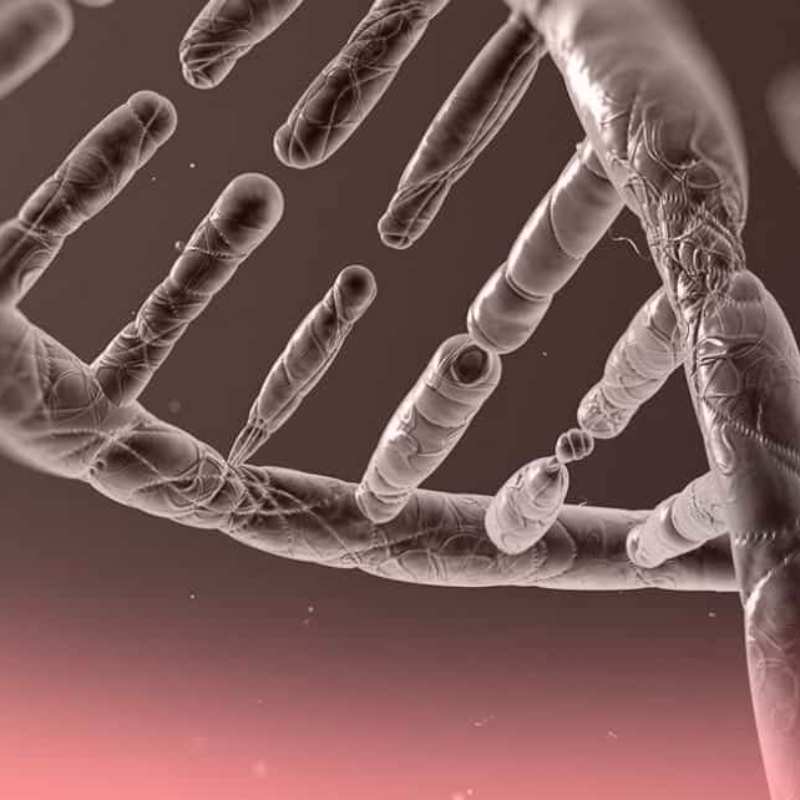
What we are looking for with this test is to delve into the possible mutations in the DNA that makes up each of the chromosomes. Genetic failures or anomalies can lead to serious diseases such as Beta thalassemia, cystic fibrosis, muscular dystrophy, hemophilia, among others.
PGT-M is indicated when we have family history that recommends its realization, and consists of:
Once the genetic analysis is performed by a specialized laboratory, it will indicate which embryos are suitable for transfer, thus minimizing the risk of transmitting a serious disease to the future baby.
There are other types of DNA mutations called structural rearrangements. In these cases, we observe that a region of the chromosome itself is affected, either by a translocation, an inversion, a duplication, or a microdeletion. These rearrangements occur in 5% of individuals diagnosed with infertility. In a translocation, a fraction of the chromosome joins another different chromosome. It is called reciprocal when the segments are exchanged. In the case of duplication, a part of the chromosome has been copied during cell meiosis. A microdeletion is the opposite: a part of the chromosome is deleted. An inversion means that the chromosomal region exists but points in the opposite direction. These rearrangements can occur in both men and women, and of course in both at the same time, and they can lead to difficulties in embryonic development, implantation failures, and spontaneous abortions. The future baby could also develop numerous syndromes such as Down syndrome, Edwards syndrome, Patau syndrome, or have their intellectual or physical abilities affected. PGTSR is indicated when there are family history recommendations for its performance, and it consists of: - An initial evaluation by a doctor of both members of the couple - Collection of saliva or blood samples from both - Biopsy of the trophoblast of each embryo
At NatuVitro, the chances of getting pregnant increase the more attempts you make. With your own eggs, on the first attempt, you have a 66.5% chance of achieving it (using all the embryos obtained in that cycle, but in different transfers), reaching 91.8% on the third attempt.
Age is a very important variable that affects treatment success rates. These rates are very high because we personalise hormone stimulation, adapting it to the needs of each patient and because we have advanced in vitro fertilisation laboratories where the embryos are developed and selected under the best possible conditions.









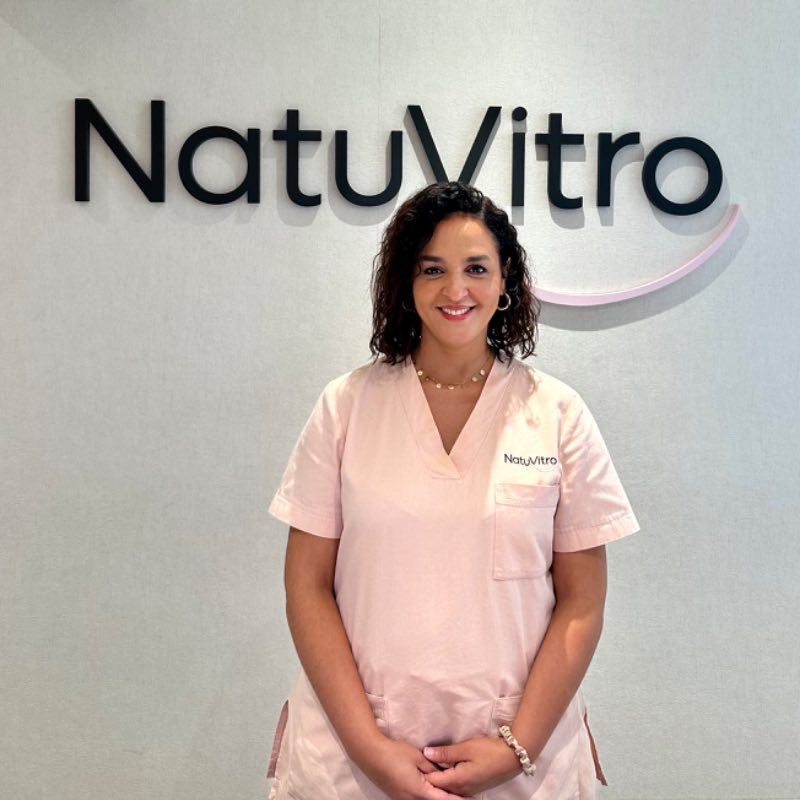


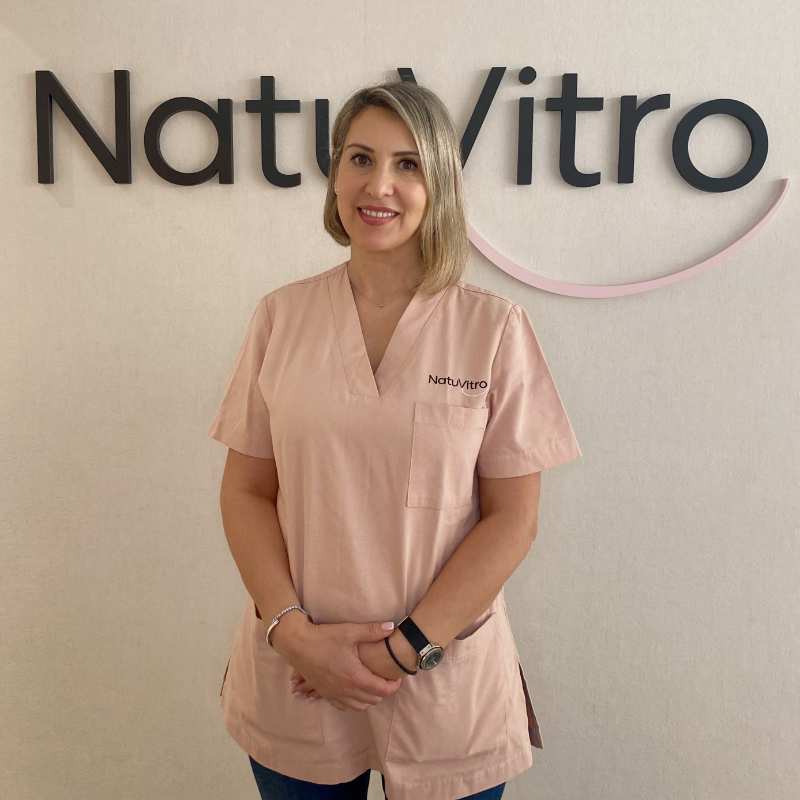


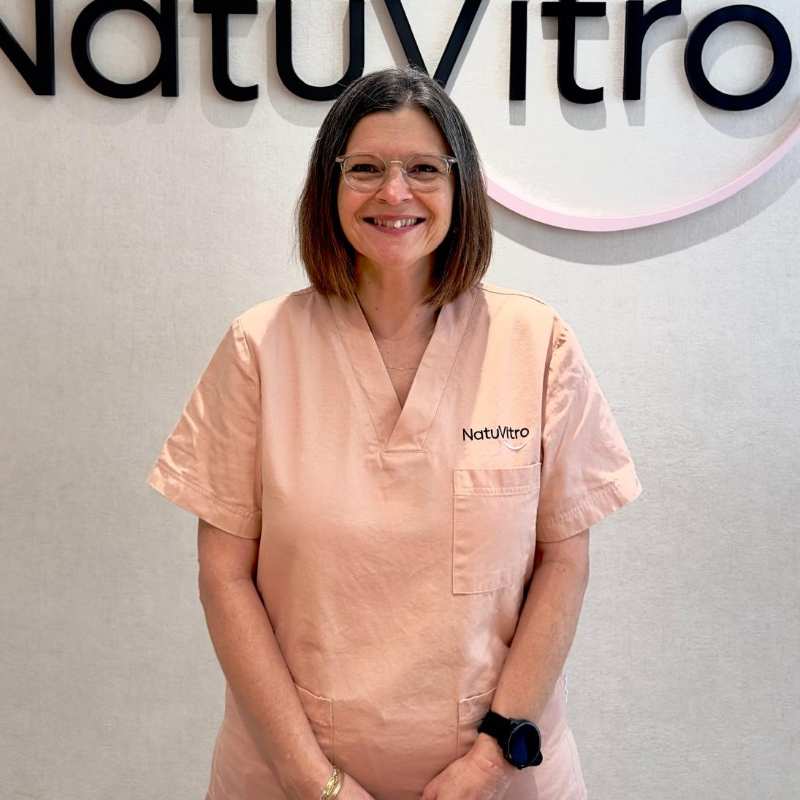
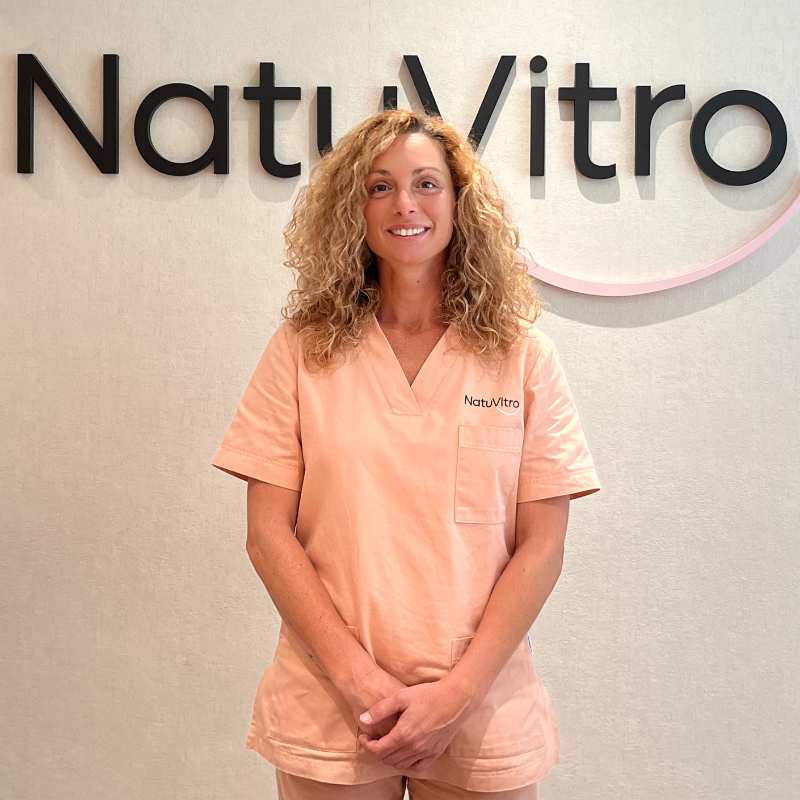


Our experts are ready to examine your case history, clarify your choices, and address every question you have.
Don't wait to make informed decisions – your personalized guidance awaits!